
Understanding the Risks and Why Planning Matters
Mobility decline is common as we age. In fact, falls are one of the most significant threats to seniors’ independence. Older adults (age 65+) account for about 3 million emergency department visits annually due to falls (1), with more than 950,000 hospitalizations (2) and over 32,000 deaths each year in the United States (3).
Unplanned mobility loss doesn’t just affect physical independence — it impacts emotional well-being, confidence, and home safety. Preparing before a crisis hits makes all the difference.

1: Start With a Family Conversation and Assessment
Talking to your parent about mobility and safety can feel difficult, but open communication is the foundation of good planning. Listen to their concerns and fears, and discuss potential scenarios — from minor injuries to more serious mobility limitations.
Healthcare professionals often recommend routine assessments of gait, balance, and strength, as well as an evaluation of medications that may increase fall risk.

2: Evaluate the Home for Safety and Accessibility
A home that once felt safe might suddenly become full of obstacles. Simple changes can significantly reduce risks and improve daily living:
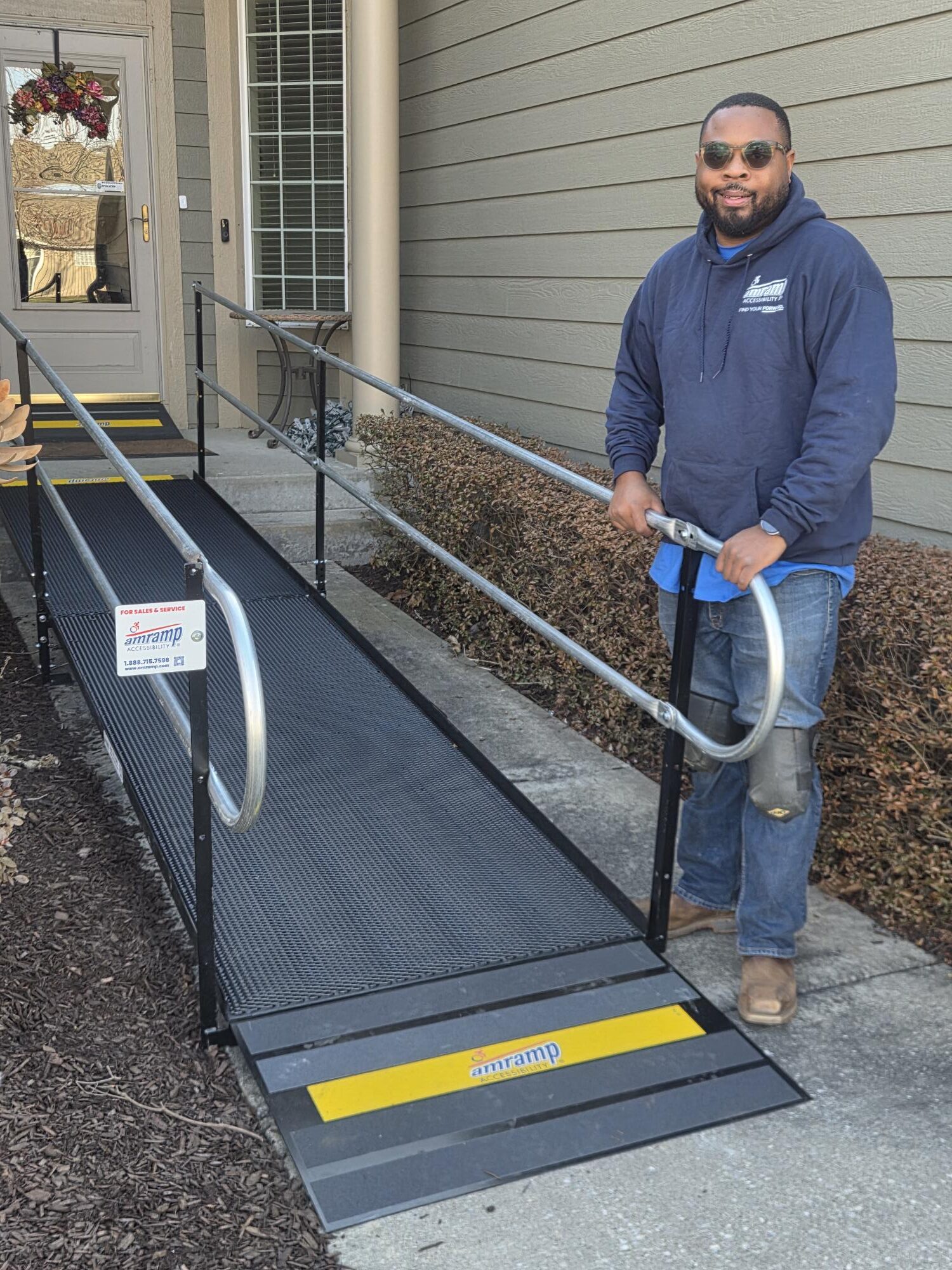
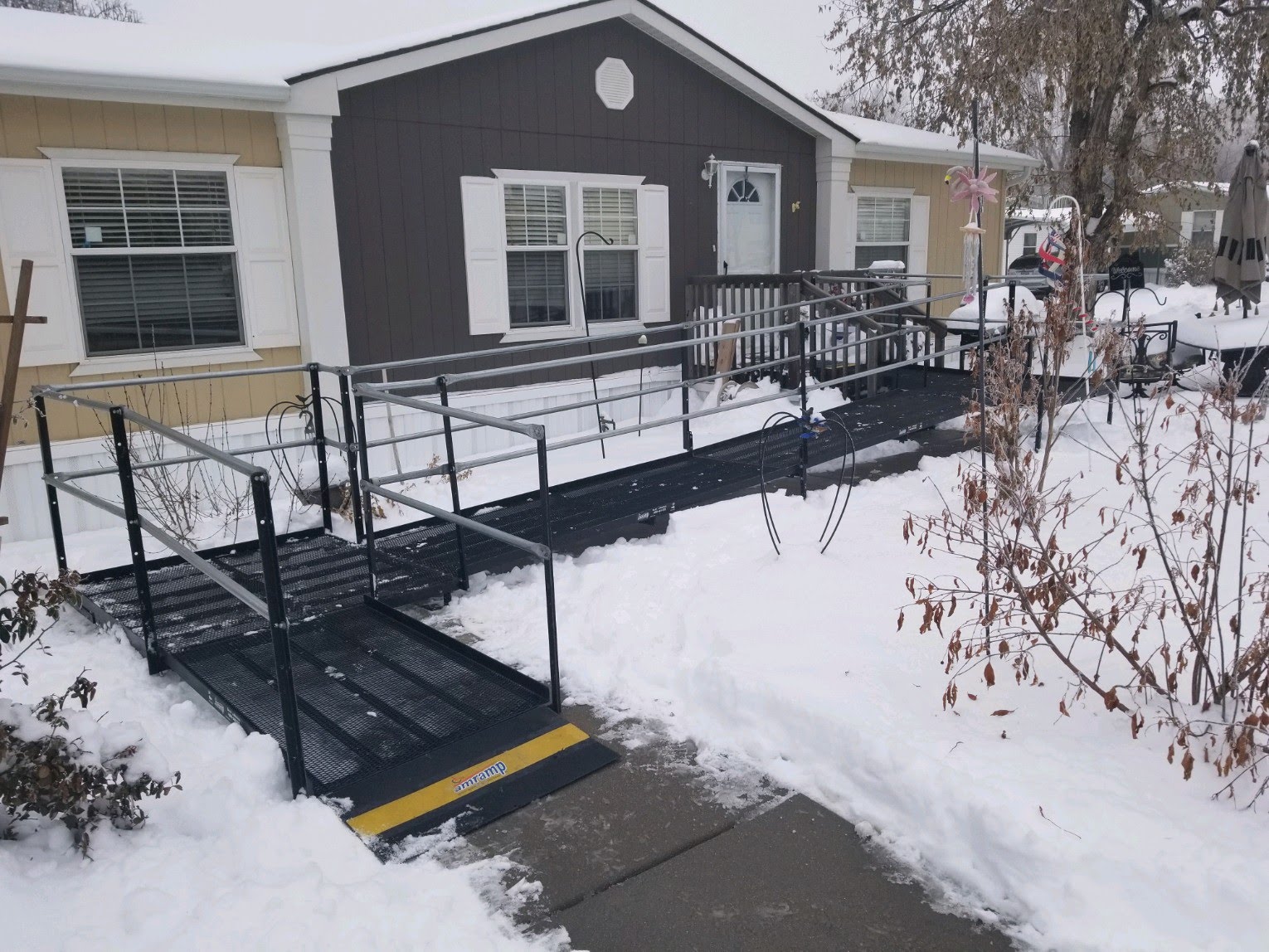
- Install a ramp — Whether temporary or long-term, ramps help prevent falls on stairs and steps. Explore our residential ramp solutions to find the right fit.
- Add handrails and grab bars — Support in key areas like bathrooms and hallways enhances balance.
- Consider stair lifts or vertical platform lifts for multi-level homes to reduce stair navigation challenges.
Planning with professionals early means you have time to choose the right solution rather than reacting under pressure.

3: Create an Emergency Mobility Plan
Just as people plan financially for retirement, planning for changes in mobility can prevent unsafe surprises.
The CDC’s MyMobility Plan is a tool caregivers and older adults can use to think through future mobility needs and fall risks before they occur — including assessments of home safety and community mobility.
Consider including in your plan:
- A list of mobility aids your parent already uses (walkers, canes, wheelchairs, etc.)
- Contact information for healthcare providers, therapists, and Amramp mobility specialists
- A decision tree for what to do if a fall or sudden decline happens (“Call doctor? Rehab? Temporary ramp?”)
4: Think About Temporary and Long-Term Solutions
A sudden mobility decline might be temporary (like after surgery) or permanent. Amramp offers solutions for both:
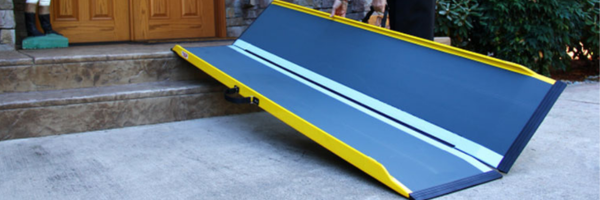
- Temporary wheelchair ramps — Ideal for recovery periods or short-term accessibility needs.
- Portable wheelchair ramps — Great for travel, occasional use, or small entryway changes.
- Modular and ADA-compliant ramps — Perfect for long-term solutions and everyday access.
All of these options can help your parent maintain independence while reducing risk.

5: Keep Communication Lines Open With Healthcare and Support Teams
Coordination with your loved one’s medical team ensures you’re not missing health factors that contribute to falls or mobility decline.
Equally important is involving physical or occupational therapists. These professionals can offer fall prevention strategies, recommend exercises to improve strength and balance, and help you understand what level of mobility support is appropriate.

6: Build a Support Network of Family and Community
Planning doesn’t stop at home modifications. Emergency preparedness includes creating a network that can support ongoing care:
- Identify backup caregivers
- Connect with local community support groups
- Learn how and when to call for emergency help
Wearable alert systems can also notify responders if your parent falls or needs immediate help.
Planning Today Means Confidence Tomorrow
When mobility suddenly declines, families shouldn’t have to scramble for answers. With thoughtful planning, your parent’s safety, independence, and dignity can be protected, and adjustments can be made on your terms, not in a crisis.
At Amramp, we don’t just provide products — we partner with you throughout the journey. From expert home assessments to ramp installations and mobility resources, we’re here to help your family Find Your Forward™.
Learn more about our accessibility solutions and request a free estimate: https://amramp.com/contact/
Sources
- “About 3 million emergency department visits annually due to older adult falls”
Source: Centers for Disease Control and Prevention — Trends in Nonfatal Falls and Fall-Related Injuries Among Adults ≥65 Years
https://www.cdc.gov/mmwr/volumes/69/wr/mm6927a5.htm - “More than 950,000 hospitalizations (or transfers) from fall-related injuries among older adults”
Source: Centers for Disease Control and Prevention — Trends in Nonfatal Falls and Fall-Related Injuries Among Adults ≥65 Years
https://www.cdc.gov/mmwr/volumes/69/wr/mm6927a5.htm - “Approximately 32,000 deaths from fall-related injuries among older adults”
Source: Centers for Disease Control and Prevention — Trends in Nonfatal Falls and Fall-Related Injuries Among Adults ≥65 Years
https://www.cdc.gov/mmwr/volumes/69/wr/mm6927a5.htm - “Over 14 million, or about 1 in 4 older adults, report falling each year”
Source: Centers for Disease Control and Prevention — Older Adult Falls Data
https://www.cdc.gov/falls/data-research/index.html