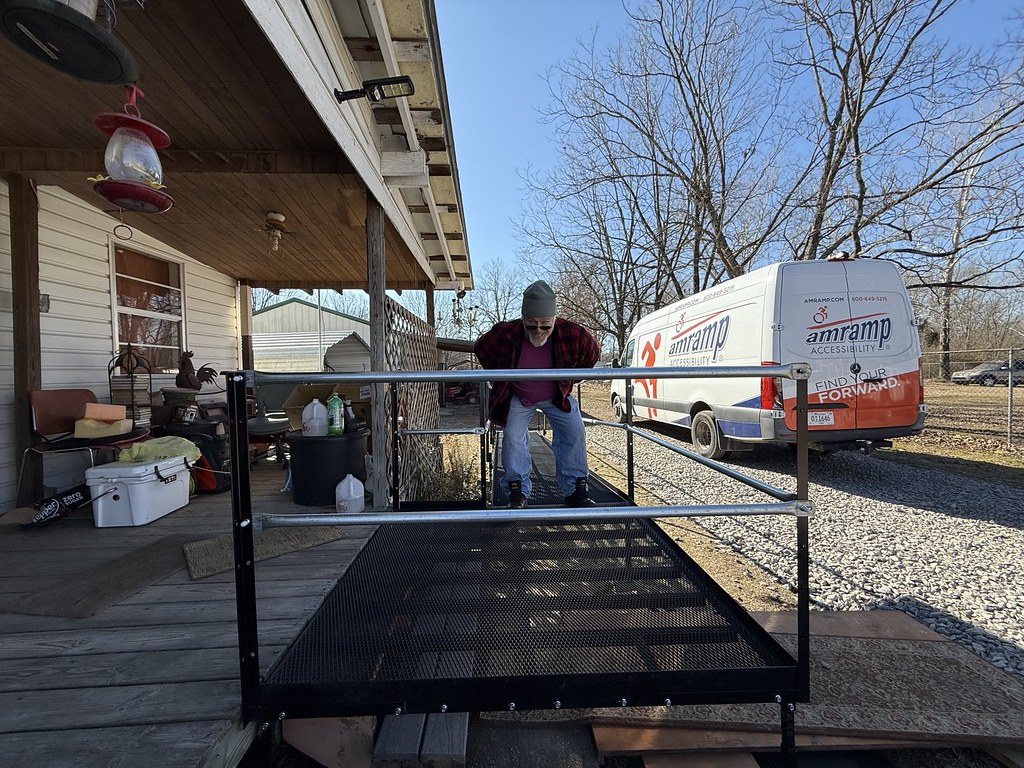
Veterans who experience mobility challenges due to service-related injuries, disabilities, or aging often need home accessibility modifications to remain safe and independent. Fortunately, several programs, grants, and accessibility solutions are available to help veterans and their families create safer, more accessible living environments.
From wheelchair ramps and stair lifts to VA housing grants and bathroom modifications, accessibility improvements can make daily life easier while helping veterans maintain independence at home.
What Home Accessibility Resources Are Available for Veterans?
Veterans may qualify for a variety of home accessibility resources, including:
- VA housing grants
- Wheelchair ramps
- Bathroom accessibility modifications
- Stair lifts
- Grab bars and handrails
- Doorway widening and threshold modifications
- Aging-in-place home safety solutions
These accessibility improvements help veterans navigate their homes more safely and comfortably while supporting long-term independence.
Why Home Accessibility Matters for Veterans
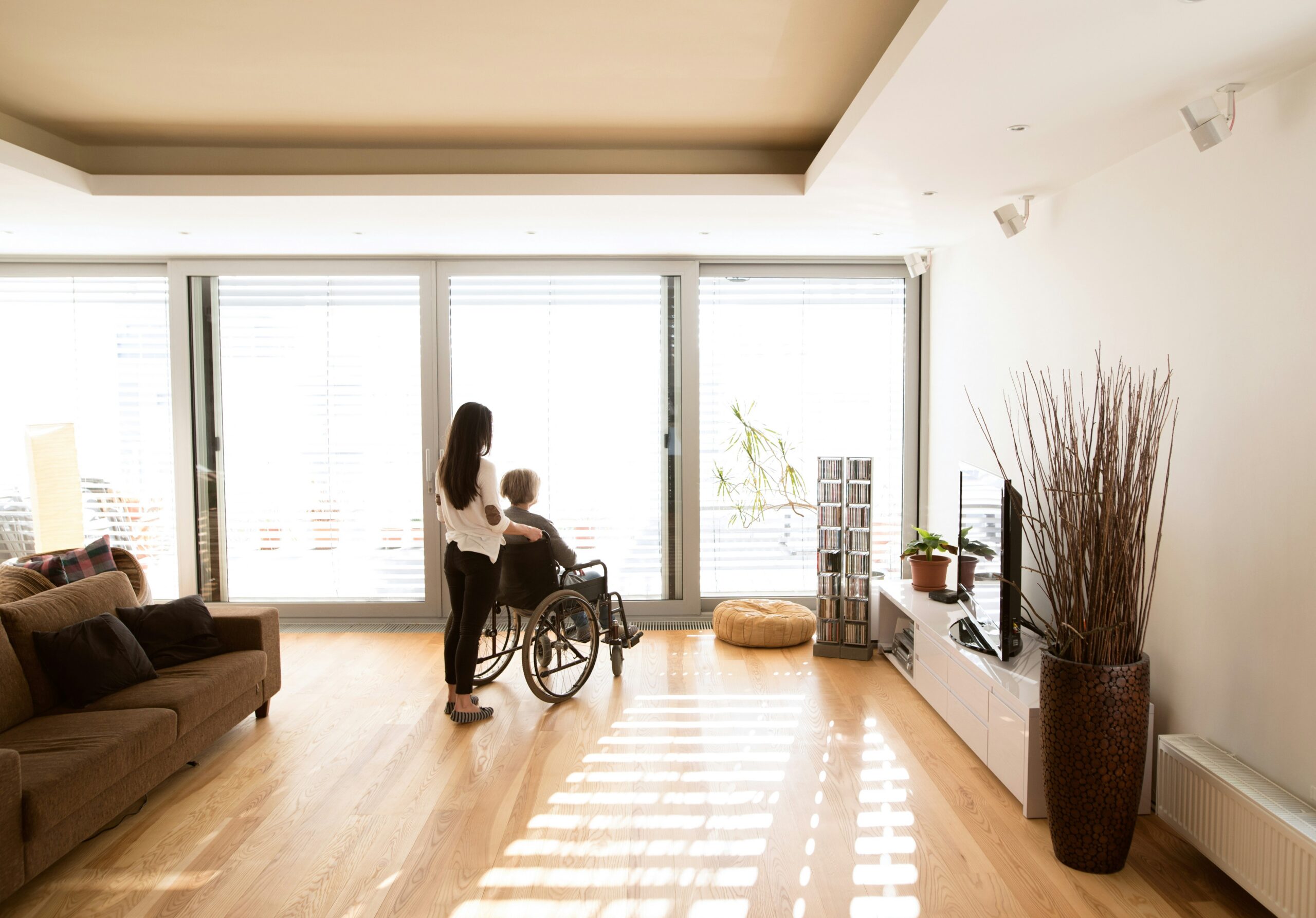
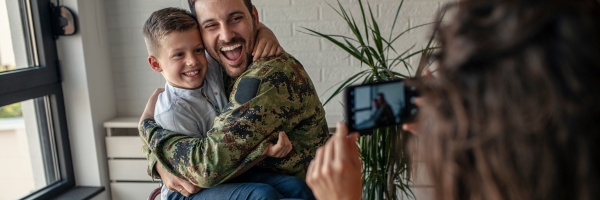
Many veterans live with mobility limitations caused by service-related injuries, chronic health conditions, or age-related changes. Everyday activities like entering a home, climbing stairs, or safely using a bathroom can become difficult without proper accessibility modifications.
Home accessibility solutions can help veterans:
- Reduce fall risks
- Improve mobility throughout the home
- Increase safety and comfort
- Support aging in place
- Maintain independence longer
- Reduce physical strain for caregivers and family members
Creating a safer home environment allows veterans to continue living comfortably in the communities they know and love.
Common Home Accessibility Modifications for Veterans
Wheelchair Ramps for Veterans
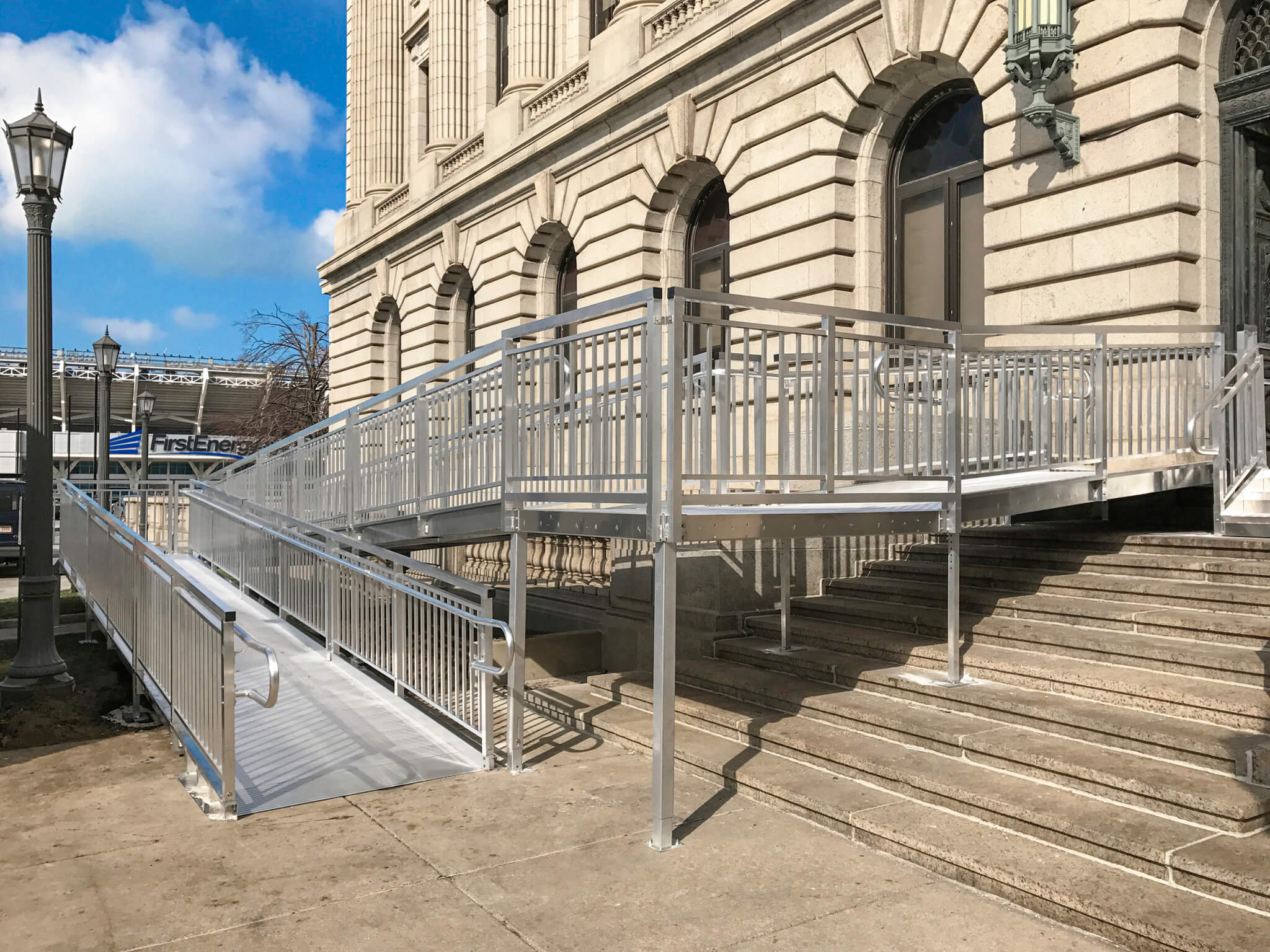
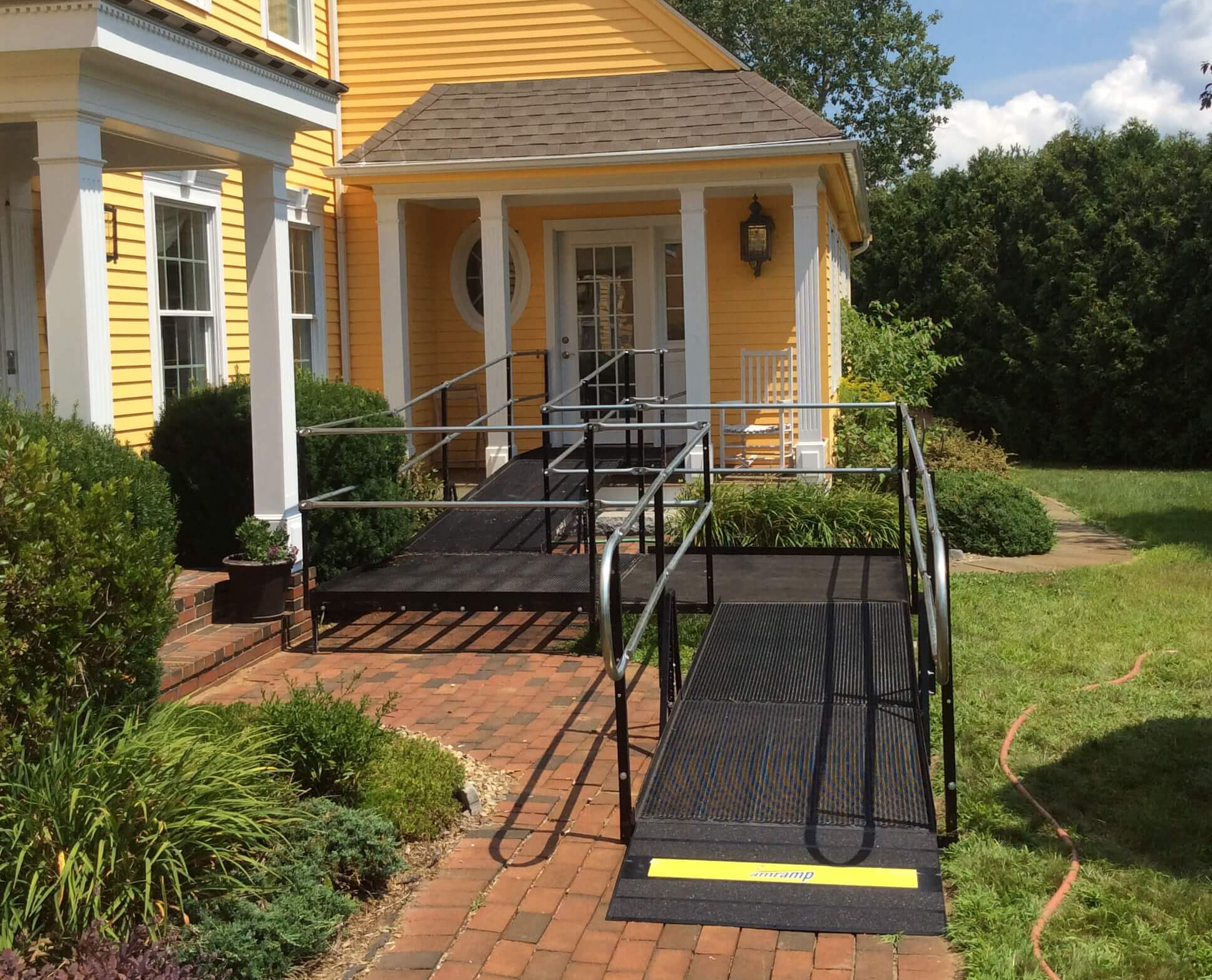
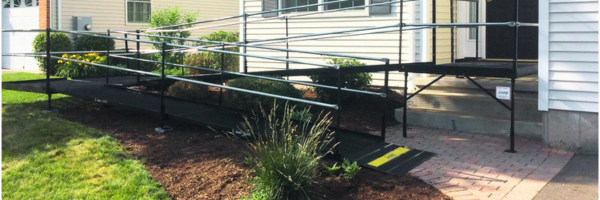
Wheelchair ramps are one of the most common accessibility solutions for veterans with mobility challenges. Ramps provide safer access to entrances and exits for individuals using wheelchairs, walkers, scooters, or canes.
Temporary and permanent ramp options are available depending on mobility needs and home layout.
Bathroom Accessibility Improvements
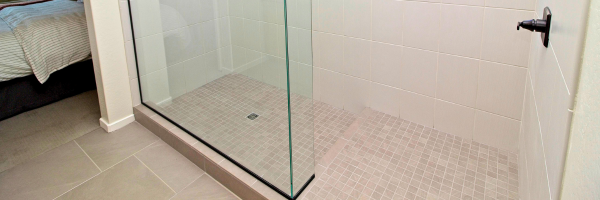
Bathrooms are one of the highest-risk areas for slips and falls. Accessible bathroom modifications may include:
- Walk-in showers
- Grab bars
- Raised toilet seats
- Non-slip flooring
- Shower seating
- Widened bathroom doorways
These improvements can significantly improve safety and independence.
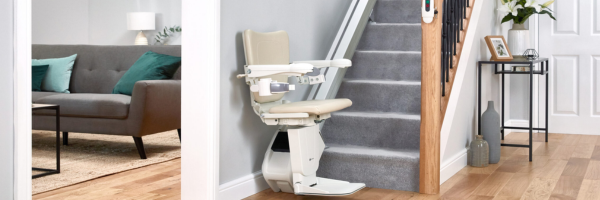
Stair Lifts and Mobility Support
For veterans living in multi-level homes, stair lifts can help reduce the difficulty and risk associated with climbing stairs.
Additional mobility improvements may include:
- Handrails
- Threshold ramps
- Improved lighting
- Wider hallways and doorways
VA Grants and Programs for Home Accessibility
The U.S. Department of Veterans Affairs offers several programs that may help eligible veterans pay for medically necessary accessibility modifications.
Specially Adapted Housing (SAH) Grant
The Specially Adapted Housing Grant helps veterans with qualifying service-connected disabilities modify or build accessible homes.
The grant may help cover:
- Wheelchair ramps
- Wider doorways
- Bathroom modifications
- Kitchen accessibility improvements
- Entryway accessibility upgrades
Special Housing Adaptation (SHA) Grant
The Special Housing Adaptation Grant helps eligible veterans adapt an existing home or a family member’s home to improve accessibility and mobility.
Home Improvements and Structural Alterations (HISA) Grant
The HISA Grant helps veterans make medically necessary home improvements recommended by a healthcare provider.
Covered improvements may include:
- Accessible entrances
- Bathroom safety modifications
- Improved access to essential living spaces
Veterans and caregivers can learn more about eligibility requirements through the U.S. Department of Veterans Affairs.

Accessibility Solutions for Aging Veterans
Many veterans are now older adults who want to remain safely in their homes as they age. Aging-in-place modifications can help veterans maintain independence while reducing the risk of injury and hospitalization.
Simple accessibility improvements can make a major difference in daily life for aging veterans and their families.
Common aging-in-place solutions include:
- Wheelchair ramps
- Grab bars & handrails
- Improved home lighting
- Non-slip flooring
- Stair lifts
- Accessible entryways
Planning ahead can help veterans stay safer and more comfortable long term.
How Families Can Help Support Veterans at Home
Family members and caregivers often play an important role in helping veterans maintain safe living environments.
Helpful steps families can take include:
- Identifying trip hazards throughout the home
- Improving lighting and walkway safety
- Installing mobility aids and accessibility features
- Planning for future mobility needs
- Researching available VA accessibility resources
Proactive home modifications can help reduce stress for both veterans and caregivers while improving overall quality of life.

Honoring Veterans Beyond Memorial Day
Memorial Day is an important opportunity to honor the sacrifices veterans have made in service to our country. Supporting safe, accessible living environments is one meaningful way families and communities can continue caring for veterans throughout the year.
Accessibility solutions help veterans maintain independence, improve mobility, and remain connected to the homes and communities they value most.
At Amramp Accessibility, we are proud to help veterans and their families create safer, more accessible homes.
Frequently Asked Questions
Does the VA help pay for wheelchair ramps?
Yes. Eligible veterans may qualify for VA grants that help cover wheelchair ramps and other medically necessary home accessibility modifications.
What home modifications help disabled veterans most?
Common home modifications for disabled veterans include wheelchair ramps, grab bars, stair lifts, accessible bathrooms, widened doorways, and non-slip flooring.
What is the best accessibility solution for aging veterans?
The best solution depends on individual mobility needs, but common aging-in-place improvements include ramps, bathroom safety modifications, improved lighting, and stair lifts.
Can veterans receive grants for home accessibility improvements?
Yes. Veterans may qualify for programs such as the SAH Grant, SHA Grant, or HISA Grant through the U.S. Department of Veterans Affairs.
Why is home accessibility important for veterans?
Home accessibility helps veterans maintain independence, improve safety, reduce fall risks, and support long-term aging in place.