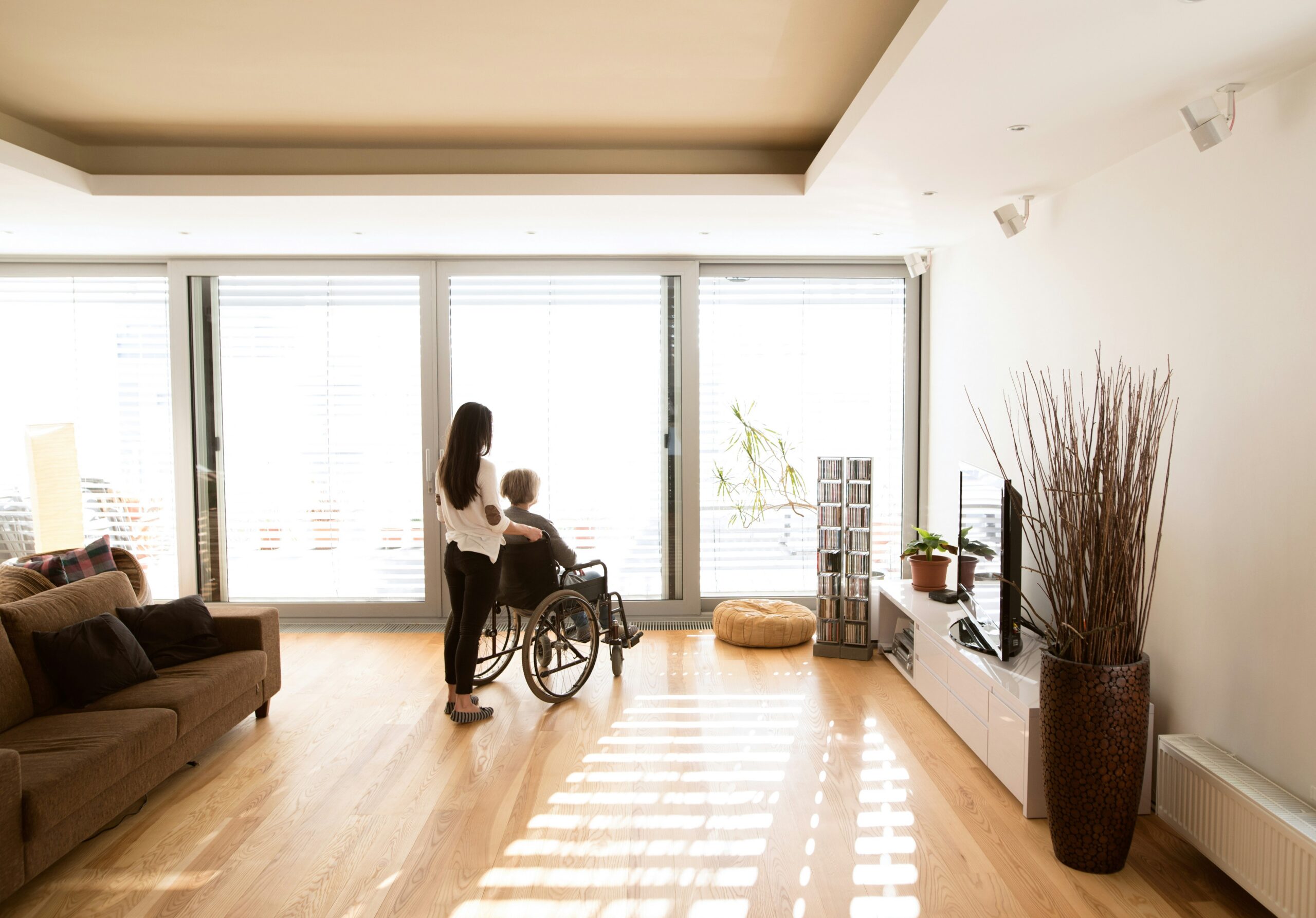

Each September, National Rehabilitation Awareness Week recognizes the impact of rehabilitation, followed by Falls Prevention Awareness Week from September 21 through 25. Together, these observances highlight an important part of recovery that can be overlooked: preparing the home for a safe return.
Recovery does not end when someone leaves a hospital or rehabilitation facility. Returning home is an important milestone, but the home may need to be adjusted to support the person’s current mobility, safety and independence.
If a loved one will soon be coming home after an injury, illness, surgery or rehabilitation stay, planning ahead can help make the transition less stressful for everyone.
Start Planning Before Discharge Day
Whenever possible, begin preparing the home as soon as you know your loved one may be discharged. Some accessibility changes can be completed quickly, but choosing the right solution still requires information about the person’s mobility and the layout of the home.
Ask the rehabilitation or discharge team questions such as:
- Will the person use a wheelchair, walker, cane or another mobility device?
- Can they safely manage steps?
- Will they need assistance transferring into a bed, chair, shower or vehicle?
- Which entrance will be safest and easiest for them to use?
- Are there specific recommendations from their physical or occupational therapist?
- Is the mobility change expected to be temporary or long term?
Medicare’s discharge planning checklist also recommends discussing needed equipment, home modifications, medications and follow-up care before leaving a care facility.
Knowing what support will be required at home can help families avoid making rushed decisions on the day their loved one returns.
Make Sure They Can Enter the Home Safely

The first challenge may be getting from the vehicle into the home. Even one or two steps can become a major obstacle for someone using a wheelchair or walker.
Look closely at each possible entrance, including the front door, garage and side or back entrances. Consider:
- The number and height of the steps
- The width of the doorway
- The available space for an accessibility solution
- The condition of the walkway
- Exterior lighting
- The distance from the driveway or parking area
- Whether the entrance is protected from rain, snow or ice
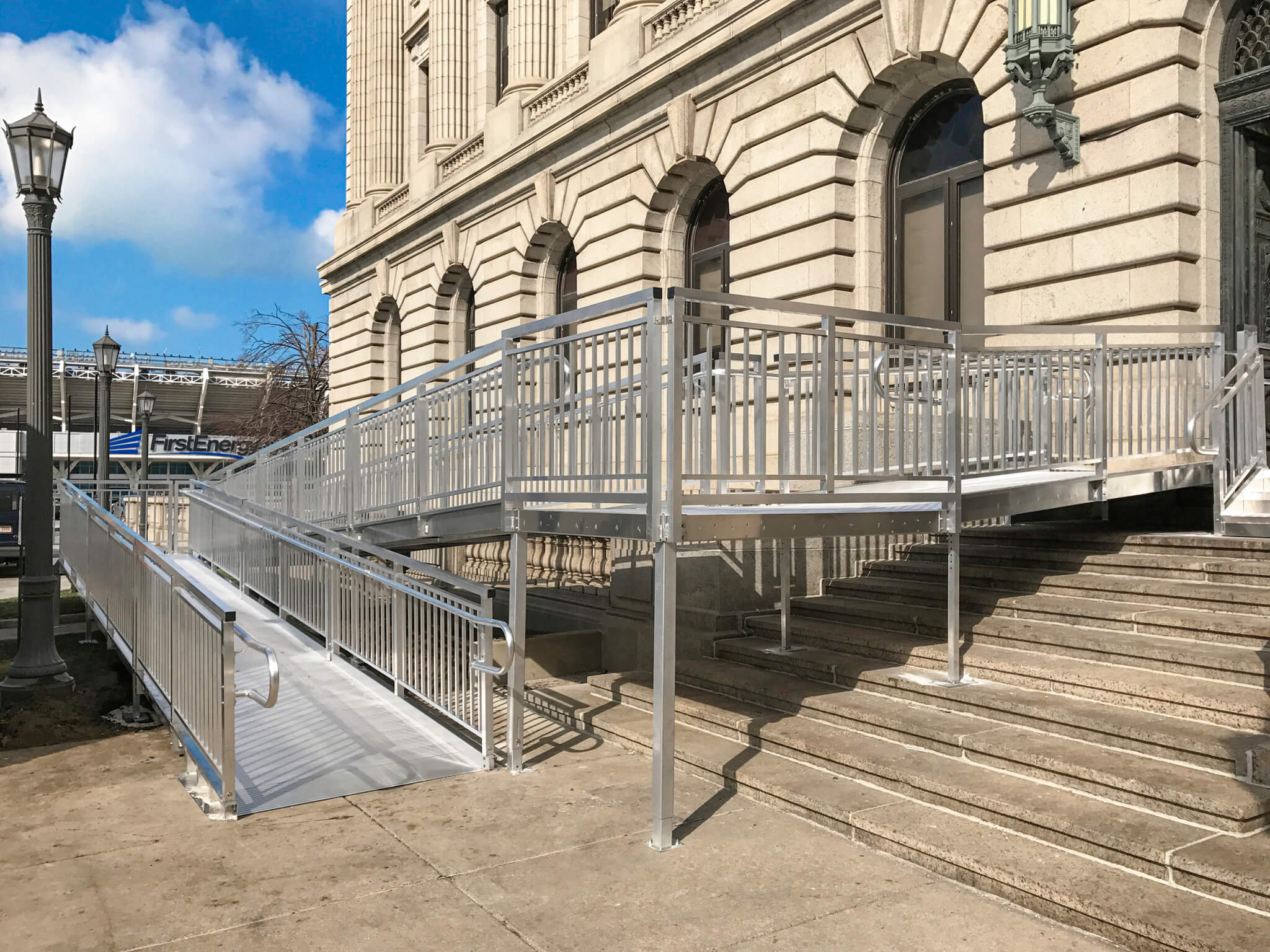
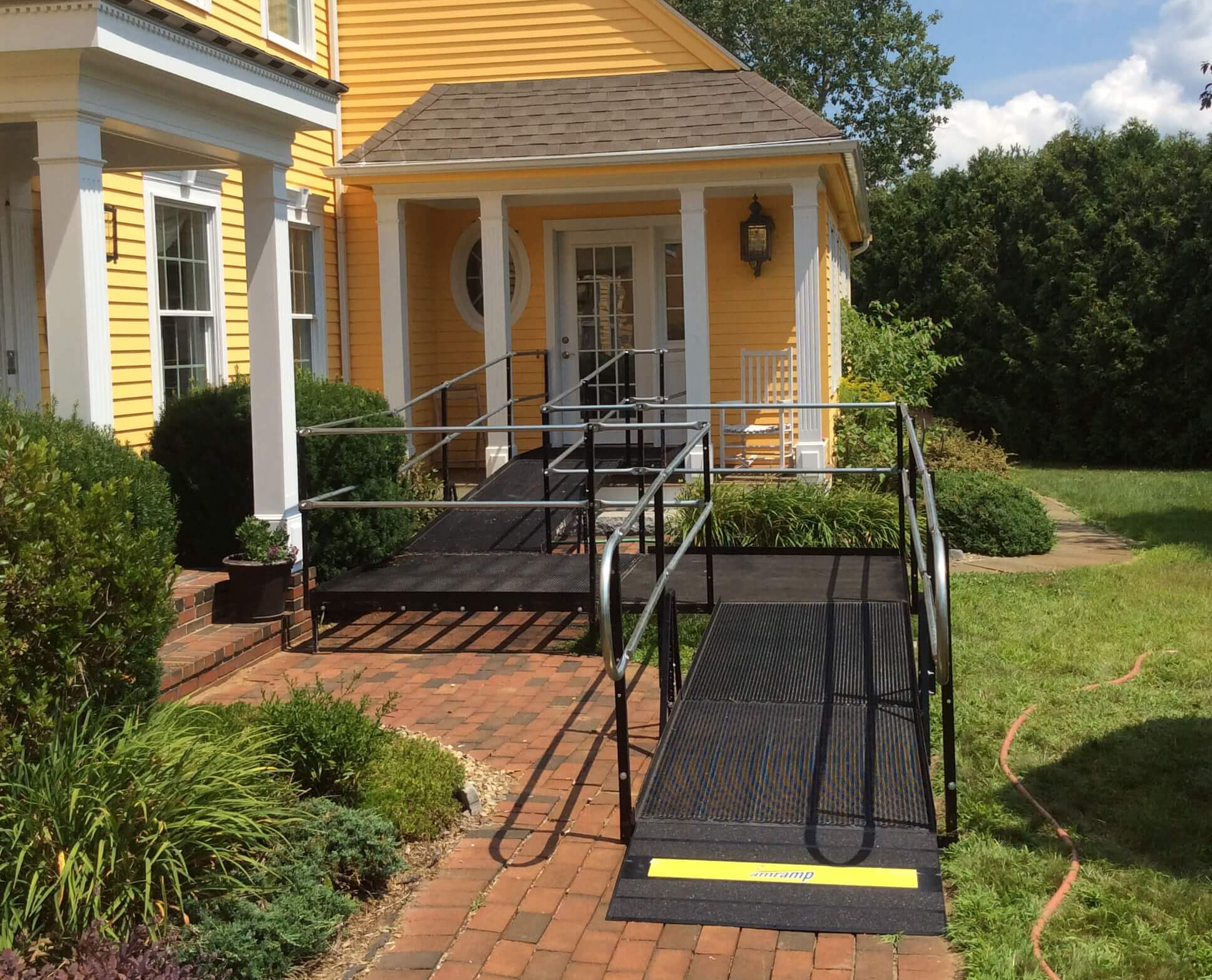
A residential wheelchair ramp can provide a gradual, step-free route into the home. Modular ramps can be configured for many different properties and adjusted if the person’s needs change.
When there is limited space for a ramp, a vertical platform lift may be another option. A local accessibility professional can evaluate the property and help determine which entrance and solution will work best.
Decide Whether the Solution Is Temporary or Long Term
Not every person returning from rehabilitation will have the same recovery timeline. Someone healing from surgery may only need additional support for several weeks or months. Another person may be adjusting to a long-term change in mobility.
A wheelchair ramp rental may make sense when the need is expected to be temporary or when the family is not yet sure how long the ramp will be required. Purchasing may be more practical for long-term accessibility needs.
Amramp’s guide to renting versus buying a wheelchair ramp explains some of the situations in which each option may be appropriate. Rental terms and availability can vary by location, so families should discuss their specific circumstances with their local provider.
Getting through the front door is only part of the transition. Think about the path your loved one will take throughout the day.
Walk through the home and check whether they can safely reach:
- A bedroom
- A bathroom
- The kitchen or dining area
- Their primary sitting area
- Medication and medical equipment
- An exit in case of an emergency
Remove loose rugs, cords, clutter and small furniture from frequently used pathways. Make sure rooms and hallways are well lit, especially between the bedroom and bathroom.
Check whether doorways are wide enough for a wheelchair or walker and whether raised thresholds could create a tripping hazard. Furniture may need to be rearranged to provide more room for turning and transferring.
Amramp’s Home Safety Checklist can help families review common problem areas throughout the home.

Pay Special Attention to the Bathroom
Bathrooms can be difficult to navigate when strength, balance or mobility has changed. Wet floors, hard surfaces and tight spaces can increase the risk of an injury.
Depending on the person’s abilities and recommendations from their care team, helpful changes may include:
- Professionally installed grab bars
- A shower chair or transfer bench
- A handheld showerhead
- A raised toilet seat
- Non-slip flooring or securely placed non-slip surfaces
- Improved lighting
- Clear space around the toilet, sink and shower
Grab bars and handrails must be placed and installed correctly so they can provide dependable support. Towel bars and other bathroom fixtures are not designed to support a person’s body weight.
An occupational therapist may also recommend specific equipment or placement based on how the person moves and transfers.

Consider How They Will Access Other Levels
If essential rooms are located on different floors, determine whether the person can safely use the stairs. A temporary bedroom on the first floor may work in some homes, but it may not be a comfortable or practical long-term arrangement.
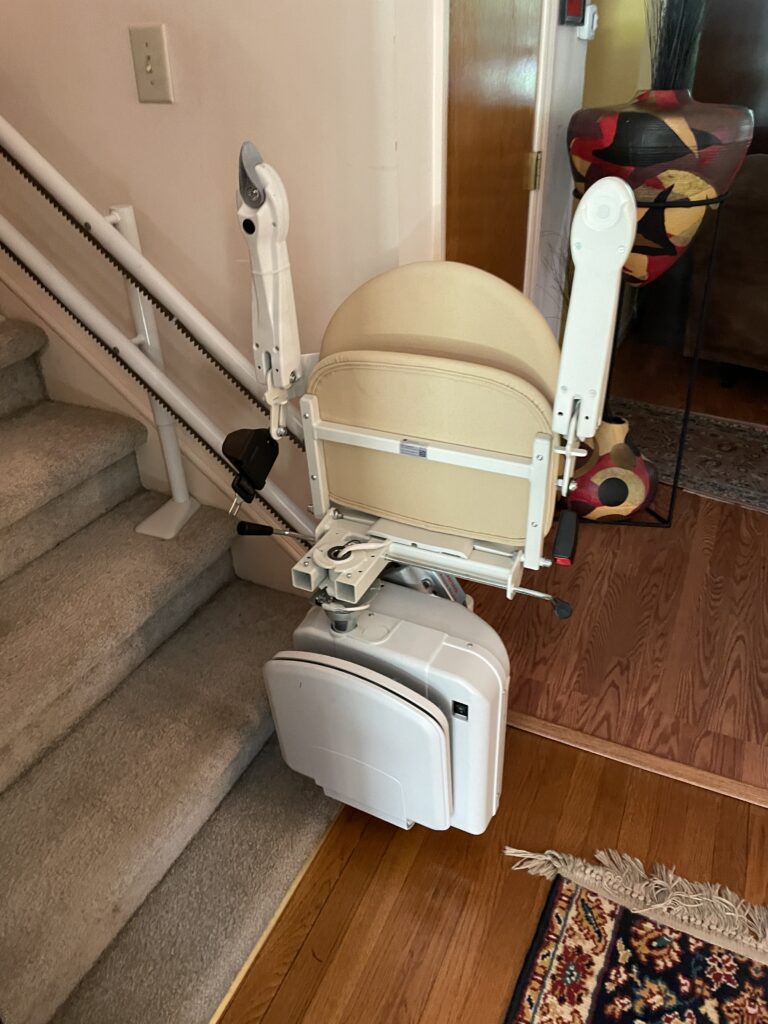
A stair lift may help someone who can transfer safely onto a seat but has difficulty climbing stairs. Other solutions may be needed for someone who must remain in a wheelchair.
The right choice depends on the home, the person’s mobility and how much assistance is available. The rehabilitation team can help clarify the person’s physical needs, while an accessibility professional can evaluate what is possible within the home.
Do Not Wait for a Fall to Reveal a Problem
According to the Centers for Disease Control and Prevention, falls are the leading cause of injury for adults age 65 and older. However, many fall risks can be identified and addressed before an injury occurs.
Falls Prevention Awareness Week, led by the National Council on Aging, emphasizes that falls are not an inevitable part of aging. Reviewing the home before someone returns from rehabilitation is one practical way families can reduce risk and support a safer recovery.
Ask for Help Before Your Loved One Comes Home
Families do not have to identify every accessibility need on their own. Amramp works with individuals, caregivers, healthcare professionals and rehabilitation teams to help create safer access at home.
During the evaluation process, a local Amramp expert can assess the property, take measurements and recommend a layout based on the home and the person who will use the equipment. Depending on the situation and location, the evaluation may be completed onsite or virtually.
If someone you love will soon be returning home from a hospital or rehabilitation facility, contact Amramp as early as possible. Planning ahead can help make the first day home feel less overwhelming and give your loved one a safer place to continue moving forward.
Request a free estimate or call 888-715-7598 to connect with your local Amramp team.