Key Takeaways
Wheelchair ramp costs in Boston depend on entrance height, ramp length, property layout, and whether you rent or purchase.
Boston’s older homes and compact lots can make permanent ramp installations challenging, making temporary modular ramps a practical option for many households.
Open-mesh steel wheelchair ramps allow some snow and water to pass through the surface, an advantage during New England winters.
A professional home evaluation helps determine the most appropriate ramp configuration, estimated cost, and whether an alternative accessibility solution may be needed.
How Much Does a Wheelchair Ramp Typically Cost in Boston?
The cost of a wheelchair ramp in Boston, Massachusetts, varies depending on the home’s entrance, the amount of ramp material required, and whether the ramp will be rented or purchased.
A home with one or two steps leading to a garage may need a relatively simple accessibility solution. A raised front porch with several steps, limited yard space, or a narrow walkway may require a longer ramp with turns and landings.
For many Boston-area homeowners, the biggest factor affecting wheelchair ramp cost is the amount of space and ramp length needed to create a safe, usable entrance.
Rather than relying on a standard price per ramp, Amramp Accessibility of Boston evaluates the property and the individual’s mobility needs to recommend an appropriate solution.
Rather than relying on a standard price, Amramp Accessibility of Boston evaluates each property’s layout and the individual’s mobility needs to recommend an appropriate solution. Photos and approximate measurements can help start the conversation, but a professional site evaluation may be necessary to finalize the ramp design and provide accurate pricing.
What Factors Affect Wheelchair Ramp Costs in Boston?
Several factors influence the total cost of installing a residential wheelchair ramp.
1. Entrance Height and Number of Steps
The higher the entrance, the longer the ramp will need to be.
For example, a home with a single step at the garage entrance will generally require less ramp length than a home with a raised front porch.
A commonly referenced accessibility guideline is a maximum slope of 1:12, meaning approximately 12 inches of ramp run for every inch of vertical rise. However, actual ramp design must account for landings, turns, applicable requirements, and the user’s needs.
For perspective:
| Entrance rise | Approximate ramp run at 1:12 |
|---|---|
| 6 inches | 6 feet |
| 12 inches | 12 feet |
| 24 inches | 24 feet |
| 30 inches | 30 feet |
These figures illustrate ramp slope only. They do not include landings or additional space needed for turns and access.
A taller entrance can increase the amount of material, installation work, and available space needed.
2. Boston’s Older Homes and Limited Space
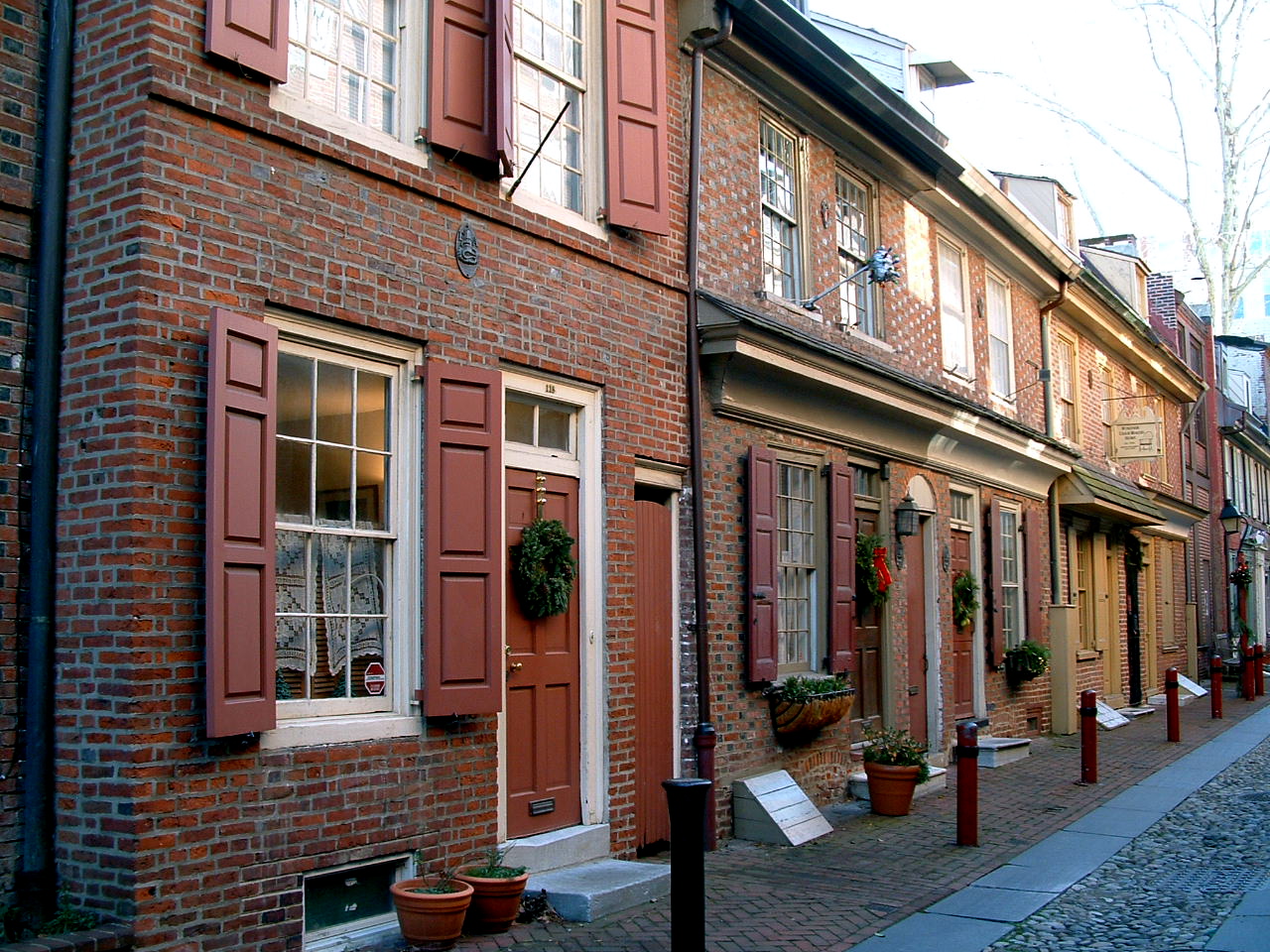
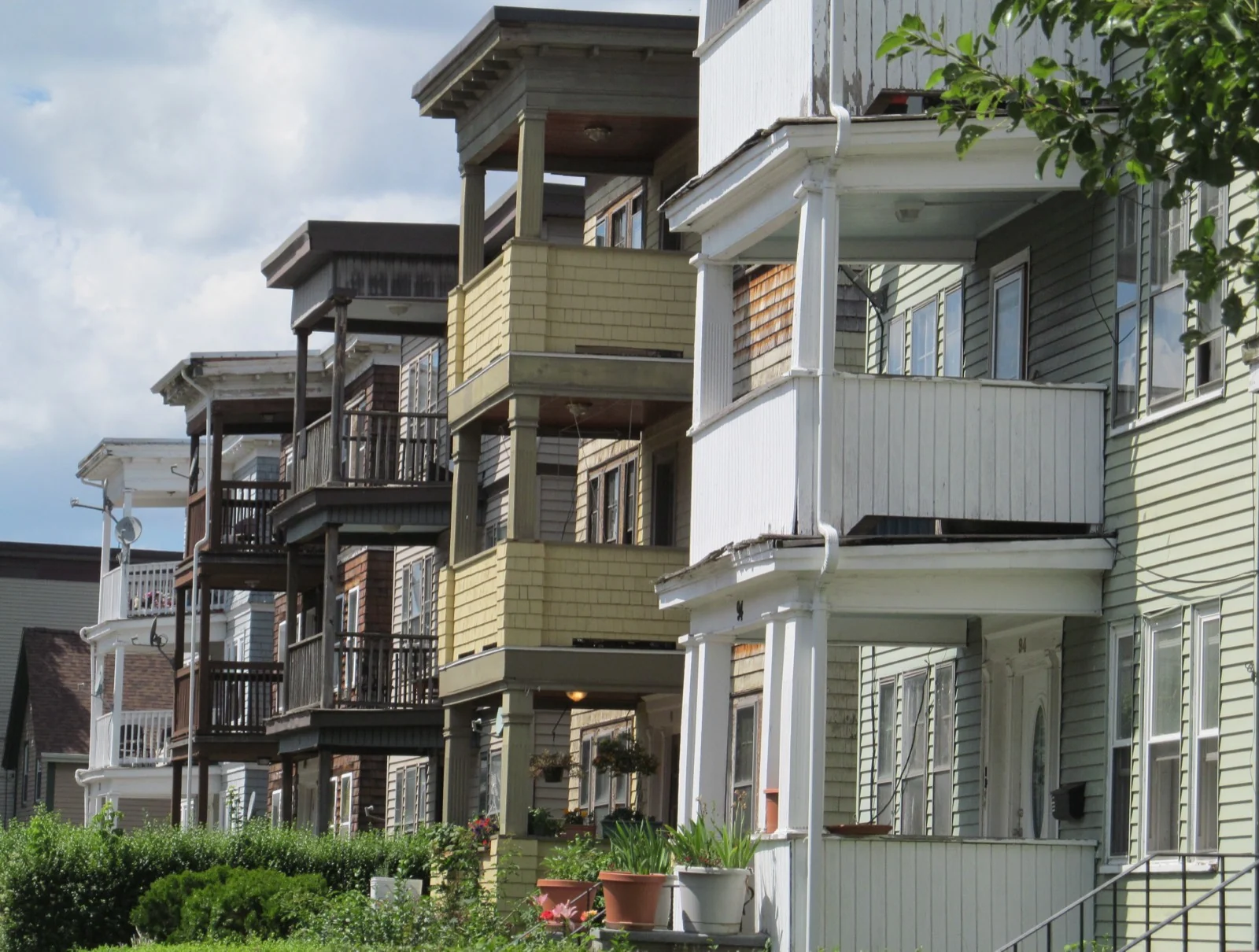
Boston and its surrounding communities feature a variety of residential architecture, including Colonials, Capes, multi-family homes, and properties on compact lots.
These homes can present accessibility challenges such as elevated entrances, narrow walkways, limited yard space, and property restrictions.
In some cases, modular ramps can be configured with turns and landings to accommodate these conditions. However, certain properties may not have enough space for a ramp that meets applicable building requirements.
Amramp Accessibility of Boston installs a high volume of temporary wheelchair ramps, in part because many local properties are not well suited for permanent ramp installations.
When a suitable ramp configuration isn’t possible, the local team may recommend exploring other accessibility solutions, such as stair lifts or vertical platform lifts, depending on the individual’s needs and the property’s layout.
3. Ramp Materials and New England Weather
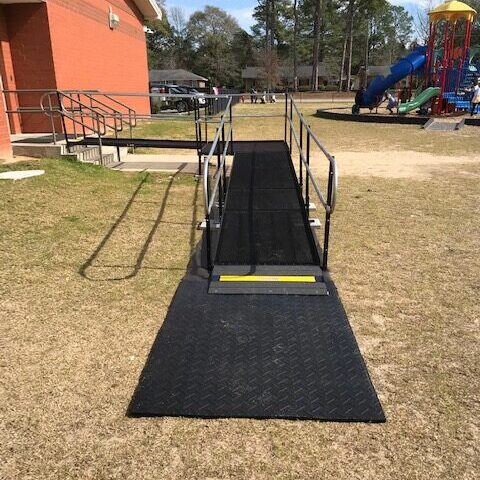
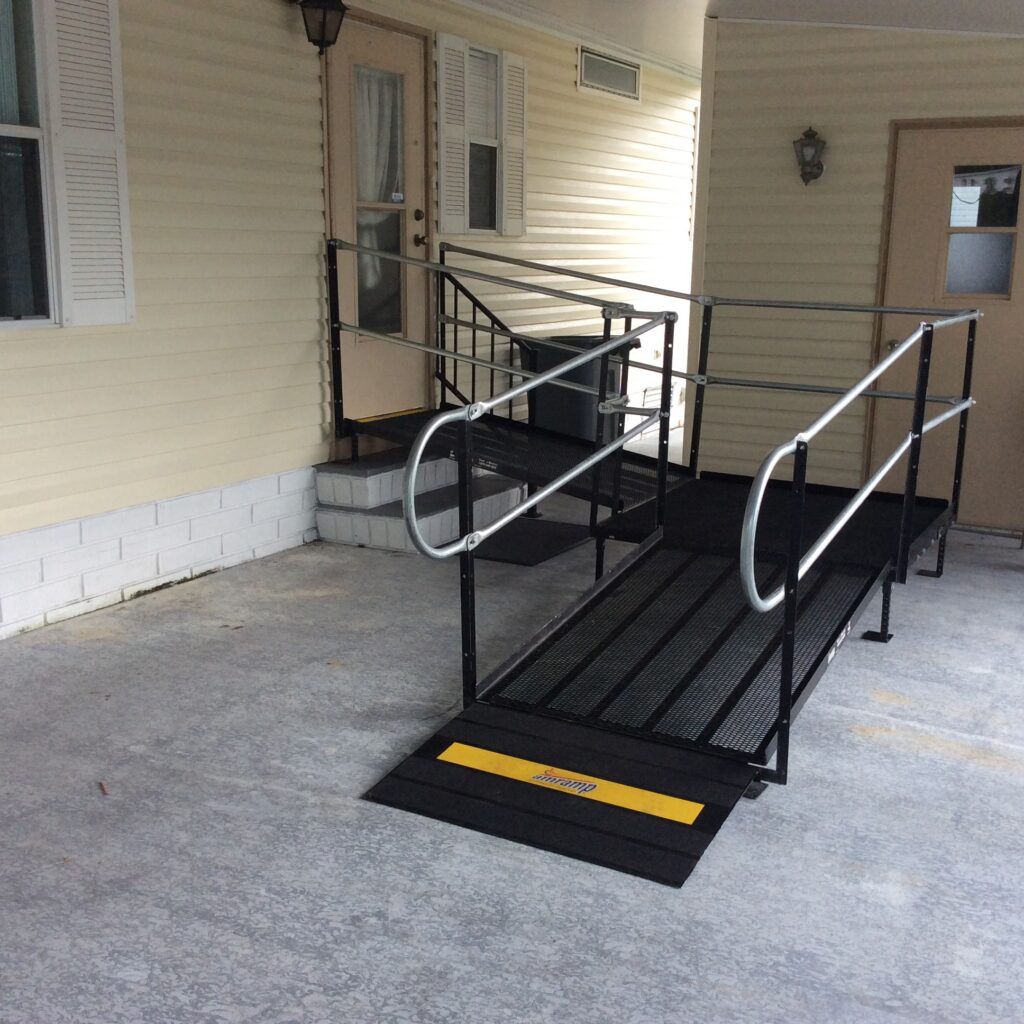
Amramp specializes in modular steel wheelchair ramps that can be configured for different residential layouts and removed or reconfigured as accessibility needs change.
An important advantage for Boston-area homeowners is Amramp’s open-mesh ramp surface.
Unlike solid ramp surfaces, the mesh design allows some snow and water to pass through, helping reduce surface accumulation during New England winters.
While regular snow and ice removal is still necessary, the open-mesh design can make winter ramp maintenance more manageable.
The ramp’s length, configuration, and installation requirements all influence the final cost.
Is It Cheaper to Rent or Buy a Wheelchair Ramp in Boston?
Whether renting or purchasing makes more financial sense depends on how long the ramp will be needed, the property’s layout, and the total cost of each option.
Renting a Wheelchair Ramp
Renting can be an economical solution for temporary mobility needs, including recovery after surgery, hospitalization, or rehabilitation.
In the Boston area, temporary modular ramps are particularly common because many older homes and compact properties present challenges for permanent ramp installations.
Ramp rentals typically involve an initial installation charge and ongoing rental fees, with terms determined by the local provider. Renting also offers flexibility when the ramp is no longer needed.
Buying a Wheelchair Ramp
Purchasing may make more financial sense for homeowners with long-term accessibility needs, including older adults planning to age in place and individuals who regularly use wheelchairs or other mobility devices.
A purchased modular ramp provides an ongoing accessibility solution and may be reconfigured if needs change, depending on the system and property.
However, not every Boston-area property can accommodate a permanent ramp that meets applicable requirements. A professional evaluation can help determine whether purchasing is appropriate.
Wheelchair Ramp Rental vs. Purchase
Not sure which option makes sense? Amramp Accessibility of Boston can help compare rental and purchase options based on the expected duration of use and the home’s requirements.
| Consideration | Renting | Buying |
|---|---|---|
| Best suited for | Temporary needs | Long-term needs |
| Initial expense | Typically lower | Typically higher |
| Ongoing payments | Rental charges | None; one-time payment |
| Removal | Coordinated under rental agreement | Arranged by owner; may incur a cost |
| Flexibility | Useful for temporary access | Useful for ongoing accessibility |
Does Homeowners Insurance or Medicare Pay for Wheelchair Ramps?
Original Medicare generally does not cover residential wheelchair ramps because they are considered home modifications rather than covered durable medical equipment.
However, eligible homeowners may qualify for assistance through certain Medicaid programs, Veterans Affairs benefits, or state and local accessibility programs. Coverage and eligibility vary.
For additional information, explore our Financing Guide.
Frequently Asked Questions About Wheelchair Ramp Costs in Boston
How much does it cost to install a wheelchair ramp at a house in Boston?
Costs vary depending on entrance height, ramp length, property layout, and installation requirements. A short, straight ramp generally costs less than a longer configuration with turns and landings. A site-specific estimate provides the most accurate pricing.
Can I rent a wheelchair ramp for a few months?
Yes. Amramp Accessibility of Boston offers temporary wheelchair ramp rentals for situations such as recovery after surgery or hospitalization. Rental terms, installation charges, and removal arrangements should be confirmed with the local team.
Do wheelchair ramps require a permit in Boston?
Amramp’s modular wheelchair ramps do not require a permit. However, permit and approval requirements depend on the property’s location, ramp design, and scope of work. Boston and surrounding municipalities may have different requirements. Historic properties, shared entrances, and properties with association rules may require additional review.
Can a wheelchair ramp be installed without permanently changing my home?
Modular wheelchair ramps can often be installed with fewer permanent changes than traditional built-in ramps. However, the exact installation requirements depend on the property, system design, and applicable rules.
The Amramp modular system does not require concrete footings and is considered a temporary structure; it can be removed as needed.
How long does it take to install a wheelchair ramp?
Installation time depends on the ramp configuration, site conditions, scheduling, and any necessary approvals. Modular systems can often be assembled more quickly than custom-built permanent structures.
Amramp Accessibility of Boston stocks material onsite from the factory itself, so there is no waiting for materials to ship – everything is on hand and ready to install.
Can a ramp be installed at a narrow Boston home?
Potentially. A modular ramp can sometimes incorporate turns, landings, or an alternate entrance to accommodate limited space. A professional evaluation is needed to determine whether a suitable accessible route can be created.
How do you get an accurate wheelchair ramp estimate in Boston?
The most accurate way to determine wheelchair ramp costs is through a professional home evaluation. The entrance height, available space, mobility device, expected duration of use, and property restrictions will all be considered to recommend an appropriate configuration.
Get a Wheelchair Ramp Estimate in Boston
Whether you’re preparing for a family member to return home from rehabilitation, planning for long-term accessibility, or exploring ways to age in place, choosing the right wheelchair ramp starts with understanding your home’s layout and your needs.
Amramp Accessibility of Boston provides modular steel wheelchair ramp rental and purchase options, helping homeowners and families find practical solutions for safer home access.
Contact Amramp Accessibility of Boston to request a free evaluation and learn more about wheelchair ramp options for your home.