
What Does Aging in Place Mean?
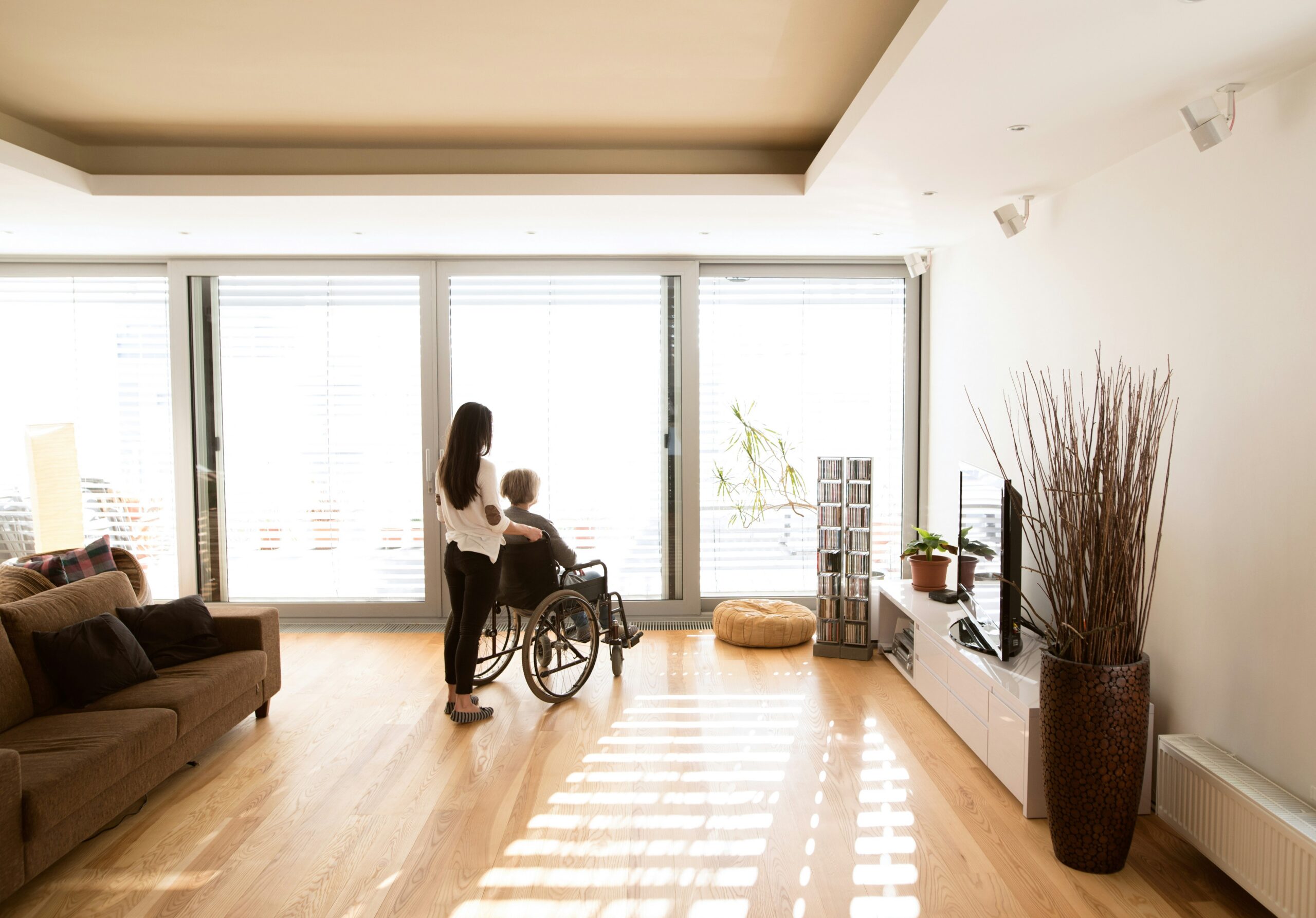
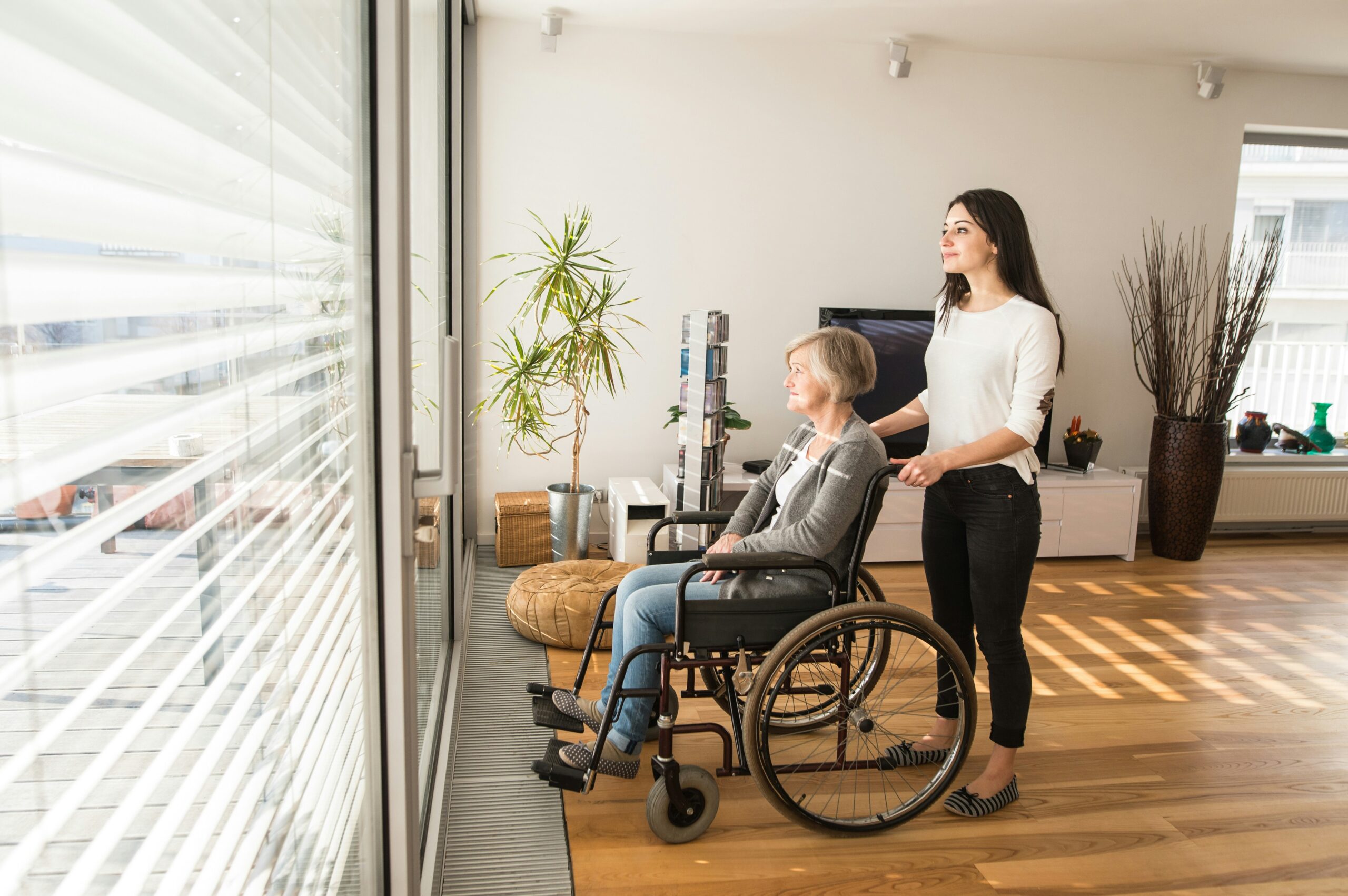
Aging in place means remaining in your own home and community as you grow older, rather than relocating to an assisted living facility or nursing home. For many seniors, this option offers comfort, familiarity, and a greater sense of independence.
Aging in place often involves making changes to the home that improve safety and accessibility. These modifications can range from simple improvements, such as grab bars and better lighting, to larger projects like wheelchair ramps, accessibility lifts, or bathroom renovations.
Benefits of aging in place include:
- Maintaining independence and privacy
- Staying in a familiar environment
- Remaining close to friends, family, and neighbors
- Keeping established routines and community connections
- Having greater control over daily activities
With proper planning and home modifications, many seniors can continue living safely and comfortably at home for years.

What Is Assisted Living?
Assisted living communities provide housing and support services for older adults who need help with some daily activities but do not require around-the-clock medical care.
Residents typically have their own apartment or living space while receiving assistance with tasks such as:
- Medication management
- Meal preparation
- Housekeeping
- Transportation
- Personal care
- Social and recreational activities
Assisted living can provide a structured environment with staff available to offer support when needed. For seniors who require more frequent assistance or whose homes can no longer safely accommodate their needs, assisted living may offer peace of mind for both residents and family members.
Aging in Place vs. Assisted Living: A Side-by-Side Comparison
Factor
Aging in Place
Assisted Living
Independence
High level of personal control
Some independence with support available
Familiarity
Remain in a familiar home and neighborhood
Adjustment to a new environment
Accessibility
May require home modifications
Accessibility features often built in
Daily Assistance
Depends on family or hired caregivers
Staff assistance available
Social Opportunities
Varies based on lifestyle and community involvement
Organized activities and social programs
Home Maintenance
Responsibility remains with homeowner
Responsibility remains with homeowner
Privacy
Maximum privacy and personal space
Shared community environment
Cost Structure
Varies based on modifications and care needs
Monthly fees for housing and services
Five Questions to Help Make the Decision
1. Is the Home Safe and Accessible?
One of the most important questions is whether the current home can safely support changing mobility and health needs.
Consider the following:
- Are there stairs leading into or throughout the home?
- Are bathrooms equipped with safety features?
- Are walkways well-lit and free from trip hazards?
- Can a walker, wheelchair, or mobility device move easily through doorways and hallways?
- Is there a safe way to enter and exit the home?
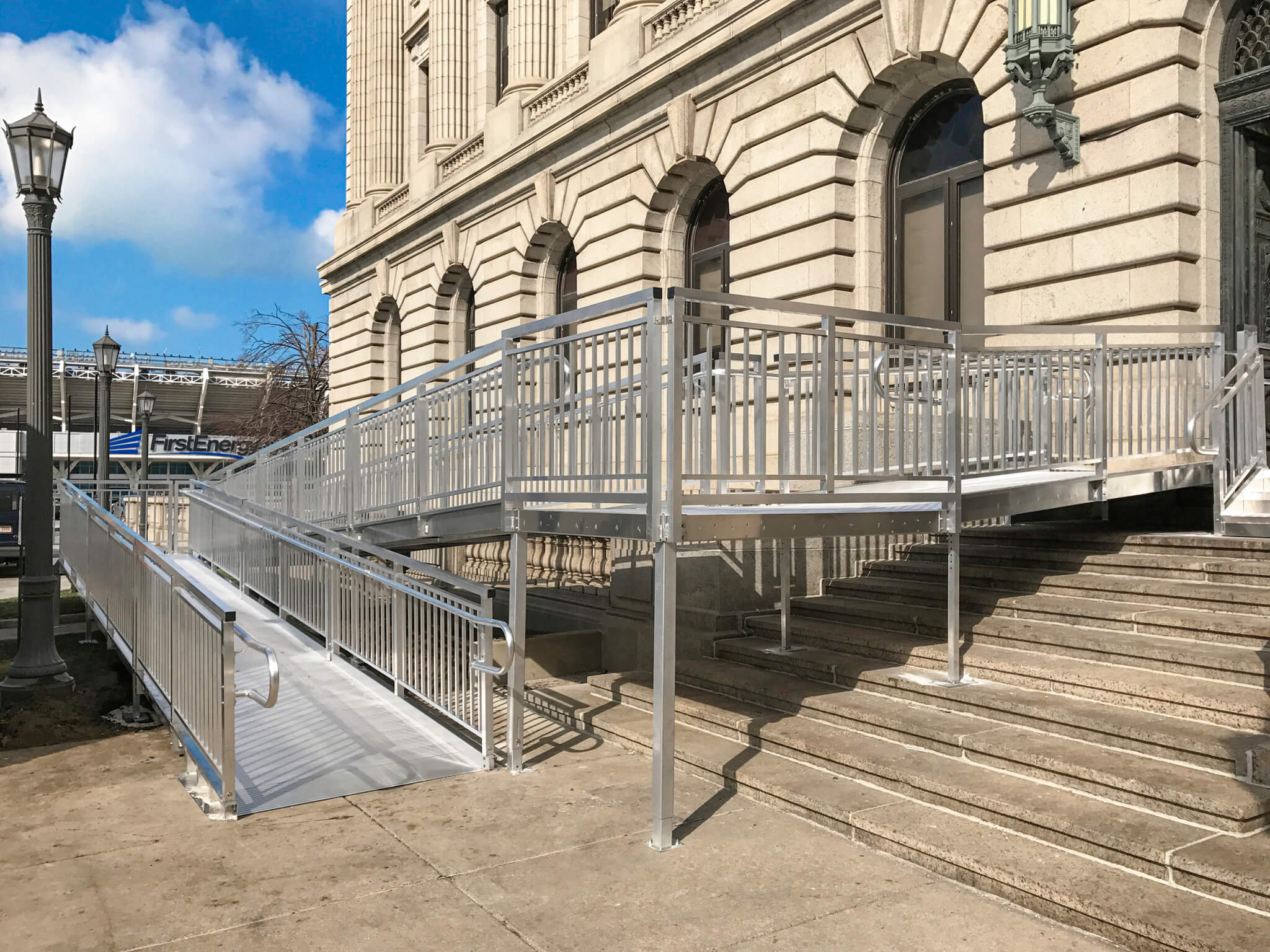
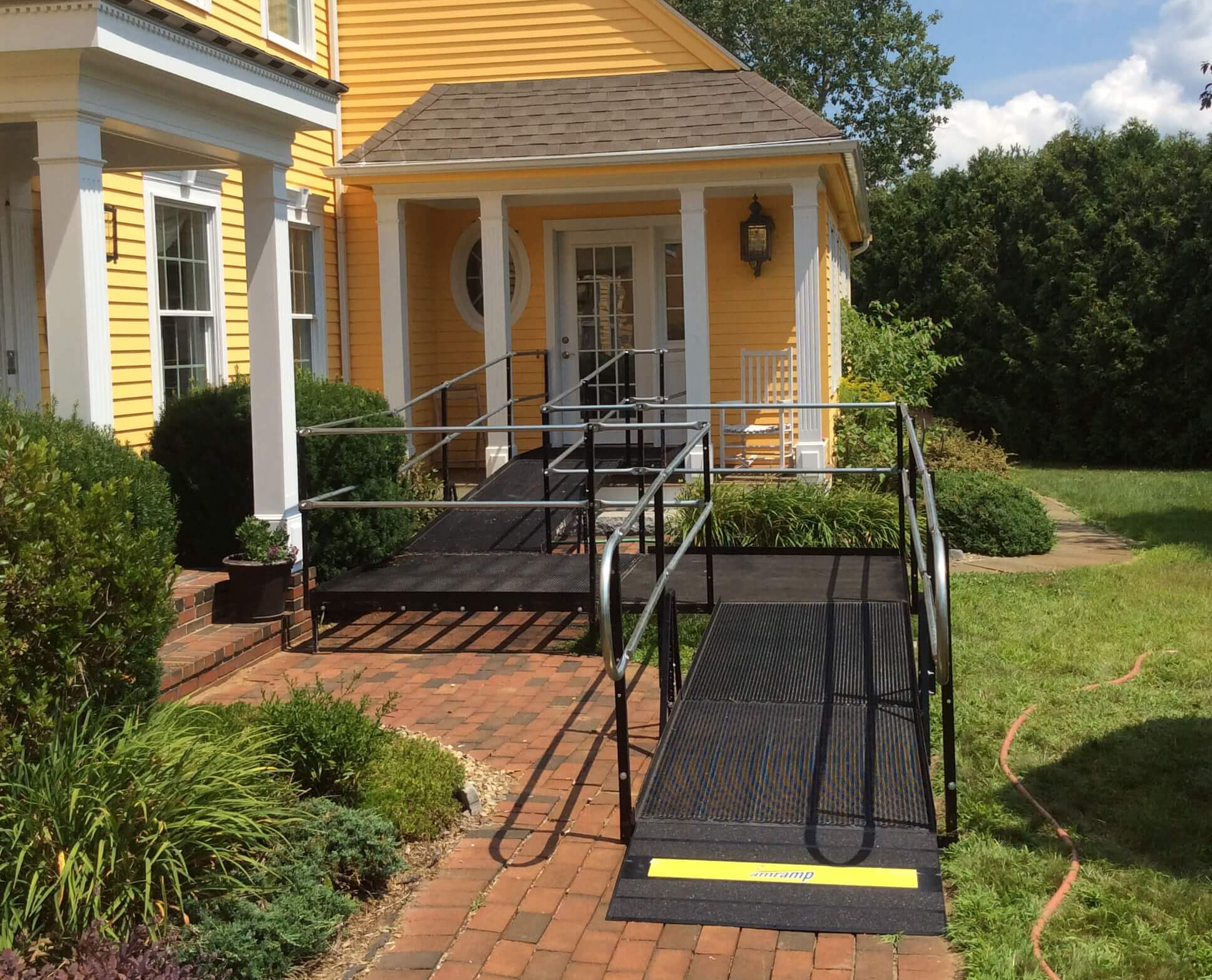
Many homes can be adapted to improve accessibility. Wheelchair ramps, grab bars & handrails, stair lifts, automatic door openers, improved lighting, and bathroom modifications often make it possible for individuals to remain at home safely and comfortably.
If accessibility concerns can be addressed through reasonable modifications, aging in place may remain a practical option.

2. What Level of Care Is Needed?
Current and future care needs play a significant role in the decision.
Some seniors remain largely independent and only need occasional assistance. Others may require daily support with activities such as dressing, bathing, meal preparation, or medication management.
Questions to ask include:
- Can daily tasks still be performed safely?
- Are health conditions stable or progressing?
- Is specialized medical care needed?
- How likely are care needs to increase over the next few years?
Individuals with relatively manageable care needs often benefit from aging in place, especially when paired with family support or in-home care services. Those requiring frequent assistance may find assisted living provides a safer and more sustainable solution.
3. Is There a Reliable Support System?
Successful aging in place often depends on having people available to help when needed.
Family members, friends, neighbors, and professional caregivers can provide valuable assistance with:
- Transportation
- Household tasks
- Medical appointments
- Shopping and errands
- Personal care
However, caregiving responsibilities can become overwhelming over time. Family caregivers frequently balance work, children, and other obligations while trying to support an aging loved one.
When evaluating options, it’s important to consider not only the senior’s needs but also the long-term sustainability of the support system.

4. What Are the Financial Considerations?
Both aging in place and assisted living involve costs, but the expenses are structured differently.
Aging in place may involve:
- Home accessibility modifications
- Maintenance and repairs
- Utility expenses
- In-home care services
- Transportation assistance
Assisted living typically includes:
- Housing
- Meals
- Maintenance
- Activities
- Certain care services
The most affordable option depends on the individual’s circumstances and level of care required. Families should evaluate both current costs and future needs when comparing alternatives.
Planning ahead can help avoid making rushed decisions during a health emergency.
5. What Does the Individual Want?
While safety and care needs are essential considerations, personal preference should not be overlooked.
Many seniors value:
- Independence
- Familiar surroundings
- Staying connected to their community
- Maintaining routines
Others may welcome the opportunity for increased social interaction and support available through assisted living.
The best outcomes often occur when older adults are actively involved in the decision-making process and their preferences are respected whenever possible.


When Aging in Place May Be the Right Choice For You
Aging in place is often a strong option when:
- The home can be modified to improve accessibility
- Health conditions are manageable
- A reliable support network is available
- Independence remains a high priority
- Mobility challenges can be accommodated safely
- The individual prefers to remain at home
With thoughtful planning and accessibility improvements, many seniors successfully remain in their homes for years while maintaining a high quality of life.

When Assisted Living May Be the Better Option
Assisted living may be worth considering when:
- Daily assistance is needed on a regular basis
- Safety concerns persist despite home modifications
- Memory-related conditions are becoming more severe
- Social isolation affects quality of life
- Family caregivers experience burnout
- Medical needs become increasingly complex
For some families, assisted living provides a level of support and security that is difficult to replicate at home.